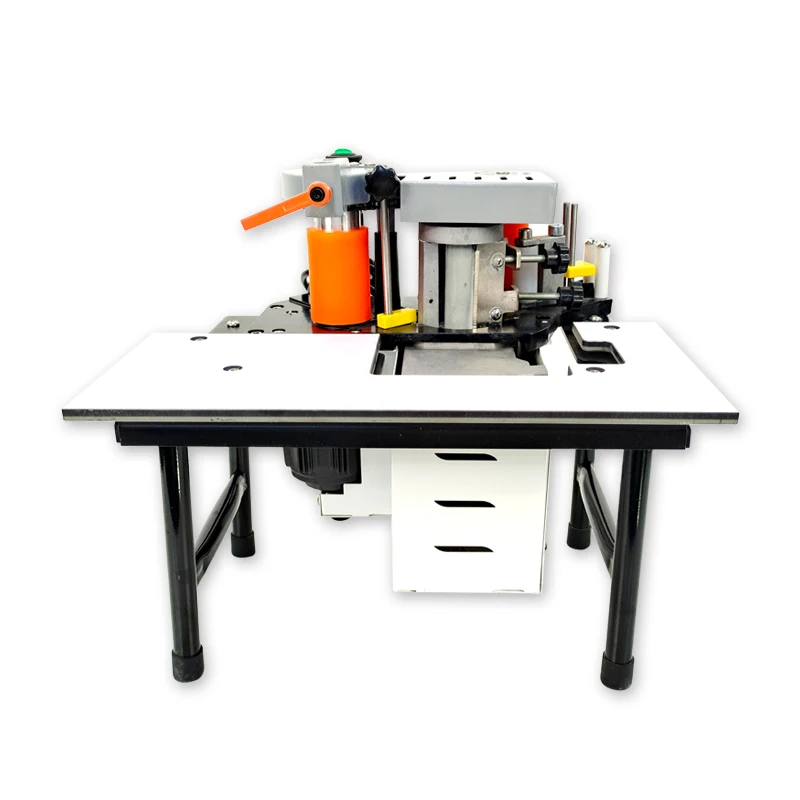
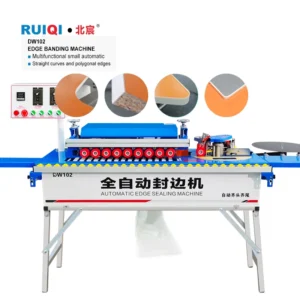
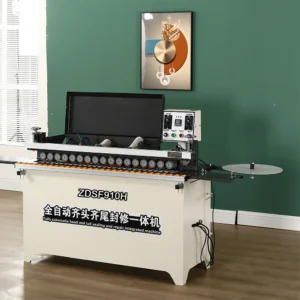
Voltage matched, tested, and shipped ready — every ST-30 portable edge banding machine leaves the facility with a confirmed electrical configuration for your workshop and a test record showing it heats, feeds, and bonds on your chosen tape material.
Technical Specifications
| Parameter |
Value |
| Product Type |
Handheld Portable Edge Banding Machine |
| Model |
ST-30 |
| Total Power |
1000W |
| Edge Power |
20W |
| Voltage |
220V / 380V / customization |
| Plug Options |
EU, USA, AU, UK |
| Edge Banding Thickness |
0.3–3MM |
| Edge Banding Height |
0–50MM |
| Suitable Edge Banding Tape |
ABS, PVC, Melamine, Veneer |
| Edge Type |
Straight and curve edge |
| Glue Pot Capacity |
1000ml |
| Air Source Pressure |
0.5–0.8Mpa |
| Minimum Length of Sheet |
25CM |
| Minimum Width of Sheet |
3CM |
| Assembly State |
Portable, handheld |
| Product Size |
38×35×35CM |
| Product Weight |
12KG |
| Language Options |
Chinese, English (customizable to Spanish or other languages) |
Application Suitability
| Application |
Material or Output |
| Small joinery workshop replacing iron-on tape |
MDF, plywood, particleboard panels with PVC or melamine edge tape |
| Custom furniture touch-up and repair on site |
Pre-cut cabinet and shelving panels requiring curved or straight edge banding |
| Interior decoration and fit-out crews |
Veneer and ABS tape on solid wood and plywood for built-in furniture |
| Startup carpentry shop low-volume production |
Small-batch panel edging in melamine and PVC before scaling to automatic line |
Why the Voltage Question Must Come Before the Order
A portable bander that cannot heat its glue pot to bonding temperature on your local supply is a paperweight.
Across Southeast Asia and other export markets, I have watched small workshop owners plug in newly arrived equipment only to find the glue will not melt or the motor runs at the wrong speed. A Portable Edge Banding Machine in stock means nothing if the voltage and frequency were never confirmed against the workshop supply [NEED_CITE: voltage and frequency standards by export market]. The ST-30 is available configured for 220V or 380V with region-specific plug types, and that configuration must be documented before the unit ships — not discovered on the loading dock.

Smallest Viable Configuration for a Growing Workshop
The ST-30 occupies a clear position in the lineup: it is the smallest viable edge banding configuration a joinery startup or small custom furniture shop can deploy before committing to a through-feed automatic line. At 12 kg with a compact 38×35×35CM footprint, it fits on a standard workbench and requires no dedicated floor space or heavy foundation. A startup operator can move from hand-applied iron-on tape to a powered, consistent glue application process without reorganizing the entire workshop layout. The Portable Edge Banding Machine in stock inventory means dispatch lead times are short, so a workshop testing this step does not wait weeks to validate whether machine-assisted banding is the right move for their volume.
Knowing When to Step Up to an Automatic Line
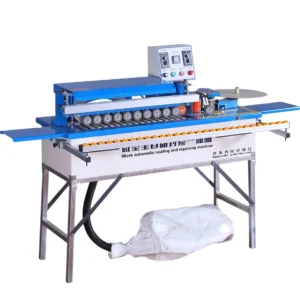
This unit is designed honestly for low-volume and intermittent use — curved panels that cannot pass through a standard through-feed bander, small repair batches, and on-site interior fit-out work where a full machine line is impractical. When production shifts to sustained daily runs of straight-edged cabinet panels, the correct move is an automatic edge bander with pre-milling, tracking, and buffing stations. The ST-30 serves as the honest entry point, and understanding where its capacity ends prevents the common failure of pushing entry-level machines into production volumes they were never designed for [NEED_CITE: CE machinery directive requirements for small woodworking equipment].
How the Specifications Shape Real Edge Quality
The 0.3–3MM banding thickness range determines which tape materials the operator can run effectively. PVC and ABS tapes in the 0.4–2MM range bond well at the glue pot temperatures this unit achieves, while veneer strips at the upper end of the range require slower feed speed and careful pressure to avoid cracking. The 0–50MM edge banding height covers standard 16MM and 18MM panel stock as well as thicker shelving and worktop blanks. Glue pot capacity at 1000ml is sufficient for intermittent small-workshop sessions; running full production shifts would require frequent refills and temperature recovery pauses. The air source pressure range of 0.5–0.8Mpa drives the feed mechanism — workshops without an existing compressor must factor in a suitable air supply before the machine can operate. Straight and curved edge capability in one unit means the operator handles arched cabinet doors and radius panels without switching equipment, which matters for custom furniture shops where panel shapes vary per order.
What Happens When Configuration Is Skipped
When a buyer orders a Portable Edge Banding Machine in stock without confirming local power supply, the unit may arrive with a plug that fits the wall socket but delivers the wrong voltage to the heating element. The glue pot then runs too cool, the adhesive fails to bond, and edge tape peels off panels during assembly — the workshop blames the machine when the real failure was in specification confirmation [NEED_CITE: common causes of edge banding adhesion failure in small workshops]. Control panels in a language the operator cannot read compound the problem: settings for feed speed and temperature are guessed rather than set correctly, producing inconsistent edge quality across the batch. These are avoidable failures that have nothing to do with the machine's capability and everything to do with the ordering process.
What This Purchase Actually Includes
The machine arrives with the exact voltage, plug type, and control language agreed before production, verified against the buyer's documented power supply. A four-stage quality check covers incoming component inspection, in-process assembly verification, finished product testing, and a pre-shipment run with the buyer's specified tape material. The ST-30 shares a product family with larger automatic edge banders, so a workshop that outgrows this unit transitions to a through-feed model from the same manufacturer without relearning a new supplier's service process. Single-unit orders are standard, letting a startup validate the machine under real workshop conditions before committing capital to a full line. Engineer configuration recommendation and formal quotation are provided within 24 hours of receiving the buyer's production requirements.
Documentation & Verification
- CE declaration of conformity covering the ST-30 portable unit
- Electrical schematic confirming your specified voltage and plug type
- Factory test record showing glue heating and tape bonding on your material
- Operation and maintenance manual in your agreed control panel language
- Spare parts list matching the ST-30 bill of materials
Installation, Commissioning & Support
- Place the 12KG unit on a stable workbench; no dedicated floor anchoring required
- Connect to a dedicated circuit matching your confirmed 220V or 380V supply
- Verify air compressor output at 0.5–0.8Mpa before engaging the feed mechanism
- Run initial glue pot heat-up and test bond on scrap panel before production use
- Review the language-specific manual for feed speed and temperature adjustment procedures
- Stock replacement glue and spare feed rollers for uninterrupted small-workshop operation
Before You Send the Inquiry
Specify the panel materials you work with, the edge tape types and thicknesses you use most often, and whether your production involves curved edges or only straight runs. Confirm your workshop voltage, frequency, and plug type so the correct electrical configuration is built into the unit. Indicate the language needed for the operation panel and whether you require a single unit for initial testing or multiple units for different workstations.
Frequently Asked Questions
Q: What production volume is this portable bander realistically designed for, and when should I move to an automatic machine?
A: The ST-30 is built for low-volume and intermittent edge banding — custom furniture touch-ups, curved panels, and small-batch work that cannot run through a standard through-feed line. When your workshop shifts to sustained daily production of straight-edged cabinet panels at consistent volumes, an automatic edge bander with pre-milling and tracking stations is the appropriate next step.
Q: Can I order a single unit for testing before committing to larger equipment?
A: Yes, single-unit orders are standard. This allows a joinery startup or small workshop to validate the ST-30 under actual production conditions with their own panel materials and tape types before deciding on additional units or stepping up to a larger automatic edge banding line.
Q: How do I confirm the correct voltage, frequency, and plug type for my country before ordering?
A: Provide your workshop's documented power supply details during the inquiry. The engineering team confirms voltage, frequency, and plug configuration against the ST-30's available options and issues a specification sheet for your approval before the unit enters production or is released from stock.
Q: Is the operation panel available in my local language, or only Chinese and English?
A: The standard language options are Chinese and English. The ST-30 control panel is customizable to Spanish and other languages upon request. Specify your preferred language during the inquiry so the correct panel is installed and the operation manual is provided in the same language.
Q: What spare parts and consumables should I stock alongside the machine for small-workshop operation?
A: Recommended stock includes replacement glue suitable for your tape materials, spare feed rollers, and basic wear components identified in the spare parts list supplied with the machine. Maintaining a small inventory prevents work stoppages during intermittent production runs common in startup and custom furniture workshops.