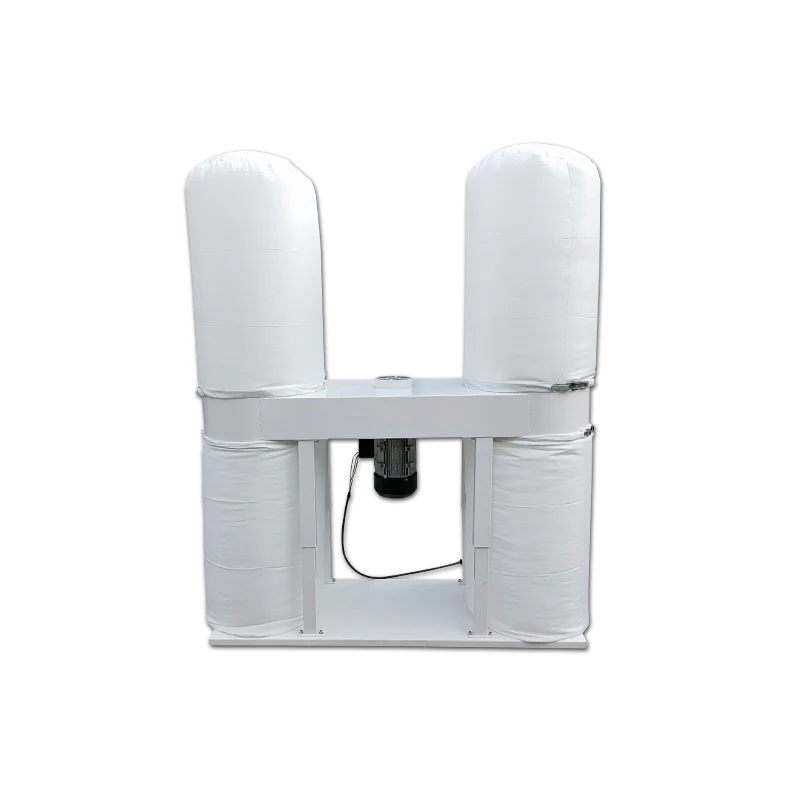
Compact Extraction Ready to Ship — bag-filter dust collector configured for small workshop CNC routers and panel saws, with voltage confirmed before dispatch and manuals in your operator's language.
Technical Specifications
| Parameter |
Value |
| Product Type |
Industrial Dust Collector |
| Filtration Mechanism |
Bag filter with diversion device for large particle separation |
| Dust Separation Method |
Large particles fall into dust hopper via guide pipe; fine dust adsorbed on filter bag |
| Compatible Equipment |
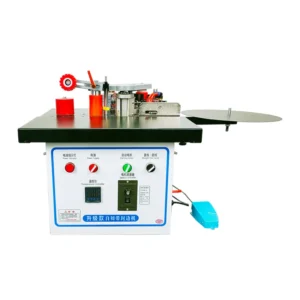
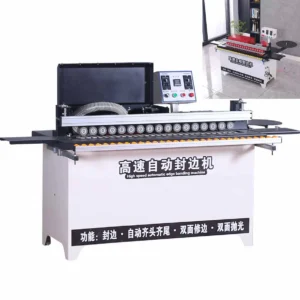
CNC router, sander, panel saw, edge bander, other woodworking machines |
| Voltage & Frequency |
Configurable from 110V to 440V (basis to be confirmed per destination market) |
| Control Interface Language |
Chinese and English standard; other languages customizable |
| Filter Bag Material |
(basis to be confirmed) |
| Airflow Capacity |
(basis to be confirmed) |
| Motor Power |
(basis to be confirmed) |
| Dust Extraction Port Size |
(basis to be confirmed) |
| Noise Level |
(basis to be confirmed) |
| Assembly State |
(basis to be confirmed) |
Application Suitability
| Application |
Material or Output |
| CNC routing dust capture |
MDF, particleboard, plywood offcuts and fine powder |
| Panel saw extraction |
Melamine-faced chipboard and solid wood panel residue |
| Wide belt sander dust removal |
Veneer dust and surface sanding fines from plywood and MDF |
| Edge bander trimming extraction |
PVC and wood veneer edge banding shavings |
| Small joinery workshop general cleanup |
Mixed wood dust from multiple machine stations |
Why the Voltage Question Must Come Before You Wire the Dust Collector for Woodworking Machines in Stock
Every export-bound unit gets its voltage and frequency verified against the destination grid before the crate is sealed.
I once watched a 380V dust collector sit idle on a 220V workshop floor for two weeks while an electrician reconfigured the entire distribution board. The CNC router it was supposed to serve kept running without extraction, filling the shop with MDF fines that settled into bearing housings and linear guides. A dust collector for woodworking machines in stock means little if the motor cannot start on the local supply [NEED_CITE: voltage and frequency standards by export market]. Confirming plug type, phase count, and frequency upfront removes the most common commissioning stall we see on single-machine orders.

Sizing Extraction to a Small Shop Floor
A joinery startup adding its first CNC router rarely has the floor space or three-phase capacity for a central extraction plant. This dust collector for woodworking machines in stock is built around a single bag-filter module with a diversion device that drops heavy particles into a hopper before fine dust reaches the filter media. The compact footprint lets you place it beside the machine it serves, keeping duct runs short and suction loss low. One unit can be repositioned between a panel saw and a sander as the workflow shifts through the week.
Keeping the Filter Bag Working Longer
The diversion device inside the housing forces incoming air to change direction abruptly. Heavier chips and coarse shavings lose momentum and fall straight into the dust hopper through a guide pipe, while only fine dust contacts the filter bag surface. This two-stage separation reduces the frequency of bag cleaning cycles and extends the intervals between bag replacements [NEED_CITE: bag filter maintenance intervals in wood dust environments]. For a small workshop running batch production on MDF and particleboard, fewer maintenance interruptions mean the CNC router stays cutting rather than waiting on extraction service.
Reading the Specs That Actually Matter on the Shop Floor
Port size determines whether the collector can move enough air volume to capture dust at the machine hood before it escapes into the room. Motor power sets the static pressure available to pull air through long duct runs or flexible hose sections. Filter bag material decides whether the unit handles fine MDF powder without blinding or whether it needs frequent shaking to restore airflow. Voltage configurability from 110V to 440V means the same collector model can ship to a 220V single-phase workshop in Southeast Asia or a 380V three-phase facility in Europe without internal rewiring. Matching these four parameters to your existing CNC router or panel saw output prevents the most common extraction failures we encounter on first startup.
What Happens When Extraction Is an Afterthought
Buying a CNC router without planning dust collection usually ends with fine MDF powder coating every surface in the shop, including the router's own ball screws and linear bearings. Operators start skipping mask protocols because the air looks clear at eye level, while respirable particles accumulate below [NEED_CITE: wood dust exposure limits in small workshops]. We have seen edge bander glue pots contaminated by airborne particleboard dust, causing adhesion failures that only show up when the customer assembles the cabinet on site. A dust collector matched to the machine from day one prevents these downstream quality problems before they reach the end user.
What Sets This Order Apart from a Generic Stock Listing
Voltage and plug configuration are confirmed with your electrical team before production, not assumed from a catalog default. Language on the control panel is set to your operator's preference so commissioning does not stall on an unreadable menu. Every unit ships with a factory test record documenting suction performance against a reference dust load. Filter bags and spare wear parts are listed with part numbers your local supplier can source or reorder directly. The unit is packed with the operation manual already translated into the agreed language, so your team can begin setup the hour the crate is opened.
Documentation & Verification
- CE declaration of conformity covering the dust collector motor and control assembly
- Factory test record showing suction performance on a reference wood dust load
- Electrical schematic with your confirmed voltage, phase, and plug type marked
- Operation and maintenance manual in your chosen language with bag replacement procedure
- Spare parts list with filter bag and hopper seal part numbers for reorder
Installation, Commissioning & Support
- Confirm dedicated circuit rating matches the collector motor power before wiring
- Position unit within flexible hose reach of the CNC router or panel saw extraction port
- Verify dust hopper drain clearance allows standard collection bin underneath
- Run initial bag seating cycle at reduced airflow before full-load operation
- Schedule filter bag inspection after the first week of MDF or particleboard processing
- Keep two spare filter bags on site to avoid downtime during replacement cycles
What We Need to Move Your Order Forward
Send us the make and model of the CNC router, panel saw, or sander this collector will serve, along with the dust port diameter on that machine. Tell us your workshop supply voltage, phase count, and frequency so the motor and control panel are built to match. If your operators need a specific language on the interface, note that in the inquiry. For buyers evaluating multiple units across a growing line, include the planned machine layout so we can advise on port sizing and whether one collector can rotate between stations or whether dedicated units make more sense.
Frequently Asked Questions
Q: What size workshop and how many machines can this dust collector handle?
A: This unit is configured for small joinery workshops running one or two machines at a time, such as a CNC router paired with a panel saw. The compact footprint and single bag-filter module suit shops transitioning from manual to machine production where a full central extraction system is not yet justified. For higher machine counts, a multi-unit or central system is typically more appropriate.
Q: Can I choose the plug type and voltage for my country?
A: Yes. Voltage is configurable from 110V to 440V, and plug type is matched to your destination market before shipment. We confirm phase count and frequency with your electrical team during order processing to avoid the commissioning delays that happen when a unit arrives wired for a different grid standard.
Q: Is the control panel available in English or other languages?
A: Chinese and English are standard on the control interface. Other languages can be configured upon request so your operators can read menus and fault codes without translation delays. Specify the preferred language at the inquiry stage so the panel is set before dispatch.
Q: How do I match the dust collector port size to my CNC router or panel saw?
A: Provide the dust extraction port diameter and air volume requirement from your machine manufacturer's specification sheet. We use those values to confirm the collector's port size and motor static pressure are adequate for your duct run length. Mismatched port sizes cause suction loss that leaves fine dust on the workshop floor.
Q: Can I order a sample unit for pretesting before committing to a larger quantity?
A: Single-unit orders are supported, and each ships with a factory test record verifying suction performance. If you plan to equip multiple workstations, ordering one unit first lets you evaluate bag life, noise level, and hopper capacity under your actual MDF or particleboard dust load before scaling the purchase.