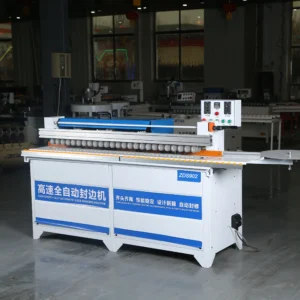
Wood Based Panels Machinery
Entry Level Edge Banding Machine for Small Workshop – Compact Automatic
Automatic Edge Banding Machine — 220V, 4200W, 4000 ml glue pot, 0–35 mm edge band...
View Details
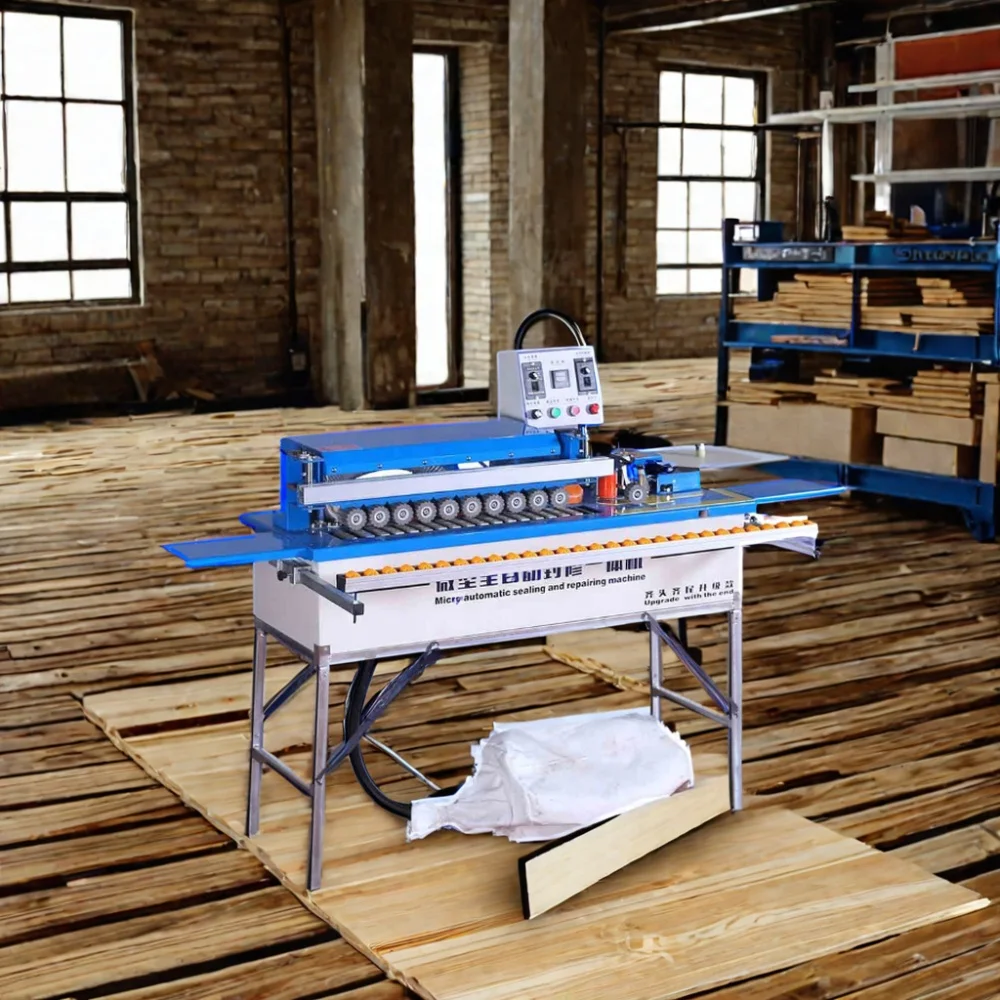
<p><strong>Compact Automatic Edge Bander, 220V Single-Phase, 0–15 m/min Feed Speed</strong> — designed for small workshops stepping up from manual edge banding. This mini fully automatic model handles both straight and curved PVC or melamine profiles on one machine, with 180° rotating glue unit, dual 800W trimming motors, and integrated dust suction.</p> <ul> <li>Double-sided gluing with up/down cross polishing for clean edge finish</li> <li>10–60 mm edge height and 0.3–3 mm thickness range suits cabinet carcass panels</li> <li>120×54×72 cm footprint fits compact joinery spaces without facility modification</li> <li>Double-row rubber pressure wheels keep panels aligned through feed</li> </ul> <p>Engineer-led configuration ensures voltage and language match your workshop before dispatch, with factory test records and spare parts included. (12619)</p> <ul> <li>Compact 120×54×72 cm footprint fits limited workshop space without facility changes</li> <li>Double-row rubber pressure wheels maintain panel alignment throughout feed cycle</li> </ul> <p>Engineer-led configuration confirms 220V compatibility with your local supply before shipment, backed by pre-shipment factory test records on your specified panel material.</p>
Voltage-Verified Dispatch — confirmed 220V configuration documented before shipment so the edge bander runs on arrival without electrical rework.
| Parameter | Value |
|---|---|
| Product Type | Automatic Edge Banding Machine |
| Voltage | 220V |
| Suction Power | 1200W |
| Belt Power | 25W |
| Transmission Power | 60W |
| Polishing Power | 180W × 2 |
| Trimming Power | 800W × 2 |
| Conveying Speed | 0–15 m/min |
| Edging Speed | 0–6 m/min |
| Edge Height Range | 10–60 mm |
| Edge Thickness Range | 0.3–3 mm |
| Overall Dimensions | 120 × 54 × 72 cm |
| Net Weight | 81 kg (source value — verify against manufacturer catalog) |
| Gluing Method | Double-sided adhesive application |
| Gluing Device Rotation | 180° for curved edge banding |
| Trimming Stations | Up and down trimming with dust suction |
| Polishing Stations | Up and down cross polishing |
| Feed Mechanism | Double-row rubber pressure wheels |
| Board Feeding | Automatic |
| Function | Curved and straight line dual purpose |
| Warranty | 1 year |
| Application | Material or Output |
|---|---|
| Small cabinet carcass production | Melamine-faced particleboard with PVC edge banding |
| Custom joinery startup operations | MDF panels with 0.4–2 mm PVC or veneer strips |
| Curved panel furniture components | Plywood and melamine board with curved edge profiles |
| Low-volume bespoke shelving | Solid wood and composite panels up to 60 mm edge height |
| Workshop transition from manual banding | Pre-cut melamine and particleboard stock |
Buying an automatic edge banding machine in stock without verifying local voltage is one of the most common mistakes small workshops make. A 220V single-phase configuration arrives ready to plug into standard workshop outlets, eliminating the need for costly electrical upgrades or phase converters.
I once helped a cabinet shop that received a machine wired for a different voltage standard. The unit sat idle for weeks while they arranged transformer rental, delayed production, and paid an electrician to rewire their panel board [NEED_CITE: voltage and frequency standards by export market]. The frustration was entirely avoidable. A compact machine like this runs on 220V single-phase, which matches the supply most small and mid-size workshops already have. Confirming that specification in writing before dispatch prevents the entire cascade of delays and hidden costs that follow a voltage mismatch.
When a joinery shop outgrows hand-held edge banding tools, the gap between manual inconsistency and machine-fed repeatability is immediately visible on the first batch of panels. This automatic edge banding machine in stock is configured for workshops at exactly that transition point. The double-row rubber pressure wheels hold the board firmly through the trimming and polishing zones, so the operator does not need to fight panel drift the way they would with a single-wheel feed system. The compact 120 × 54 × 72 cm footprint means it fits between a panel saw and a boring machine without rearranging the entire floor layout.
Stocked units dispatch quickly, which matters when a small cabinet maker has orders waiting and cannot absorb multi-week production lead times. The machine arrives with individual function controls rather than a complex PLC interface, keeping the learning curve short for operators who are used to manual processes.
Most small workshops cannot justify buying separate machines for straight and curved edge profiles. The 180° rotating glue unit on this model handles both without tooling swaps. A cabinet maker producing arched display shelves alongside standard rectangular carcass panels can run both jobs on the same shift. The double-sided adhesive application lays glue on both the edge strip and the panel surface simultaneously, which improves bond consistency on curved sections where single-sided gluing tends to starve the outer radius [NEED_CITE: adhesive bonding mechanics on curved wood panel edges].
The up-and-down trimming stations follow the contour after gluing, and the cross-polishing wheels finish the transition between the edge band and the panel face. This dual capability removes a bottleneck that typically forces small shops to outsource curved components or accept visible hand-trimmed edges.
The 0–6 m/min edging speed range gives operators room to slow down for thicker PVC strips (up to 3 mm) and speed up for thin melamine tape. Running thick banding too fast causes the trimming cutters to chatter, leaving ridges that show up under LED cabinet lighting. The dual 800W trimming motors carry enough torque to cut cleanly through 3 mm PVC at moderate feed rates without bogging down.
Edge height capacity from 10 to 60 mm covers standard 18 mm carcass stock as well as thicker worktop and shelving panels. The integrated dust suction on the trimming station pulls PVC and melamine swarf away from the polish wheels, preventing embedded debris from scratching the panel surface. In a small workshop without a central dust extraction system, this built-in port keeps the immediate work area clean and protects the polishing finish.
When a workshop buys a compact edge bander without confirming edge thickness range or panel height compatibility, the machine may physically run but produce unacceptable results on the materials they actually use. Panels cut from recycled particleboard often carry thickness variation that forces operators to adjust feed pressure constantly [NEED_CITE: thickness tolerance challenges in recycled particleboard for furniture manufacturing]. A machine with a narrow tolerance window will struggle, producing visible glue lines and uneven trimming that requires hand finishing.
Skipping the voltage confirmation step leads to a different kind of loss — weeks of downtime and electrical contractor fees. Neither problem shows up in a product brochure, but both appear within the first week of operation when specifications were not verified against the buyer's actual conditions.
In-house manufacturing with patented cutting mechanisms ensures trimming accuracy is built into the machine, not adjusted out during commissioning. The four-stage quality control process covers incoming material inspection through pre-shipment verification, so stocked units meet the same standard as custom orders.
Voltage and specification customization is treated as standard procedure, not an upsell — the 220V configuration is confirmed in documentation before dispatch. An engineer-led configuration review matches the machine to the buyer's panel materials and production volume within 24 hours of inquiry. Factory visits are welcome, giving buyers the option to run sample panels on the exact material they will process in their own workshop.
Provide the panel materials you will be processing — melamine-faced particleboard, MDF, or plywood — along with the edge banding type and thickness range you use most often. Specify your local voltage and frequency so the electrical configuration is locked in before production begins. If you need the operation manual in a specific language, note that in your initial message so documentation is prepared ahead of dispatch.
Q: What voltage options are available and how is local compatibility confirmed? A: The machine is configurable across voltage ranges including 220V single-phase for standard workshop supply. Local voltage and frequency are confirmed in writing during the quotation stage, and the electrical schematic shipped with the unit matches that confirmed specification. This prevents the common problem of receiving equipment that cannot connect to the available power source.
Q: Can this edge bander handle both straight and curved panel edges? A: Yes. The gluing device rotates 180 degrees to follow curved profiles, and the trimming and polishing stations track the contour accordingly. Straight and curved jobs can run on the same machine without tooling changes, which is practical for small workshops producing mixed cabinet components in low volumes.
Q: What edge thickness and panel height ranges does this model handle? A: Edge thickness range is 0.3 to 3 mm, covering thin melamine tape through standard PVC strips. Edge height range is 10 to 60 mm, accommodating typical 18 mm carcass panels as well as thicker shelving and worktop stock commonly found in cabinet production.
Q: What is the dispatch lead time for stocked units? A: Stocked configurations are prepared for fast dispatch, reducing the typical multi-week wait associated with custom-built orders. Exact timing depends on the selected configuration and destination. Shipping options and estimated transit durations are quoted at the inquiry stage once the destination port is confirmed.
Q: What spare parts are included and how are replacements sourced? A: The initial shipment includes trimming blades, polishing wheels, and feed rollers sufficient for early production. A detailed spare parts list ships with the machine. Replacement components are available through the same supply channel, with specifications matched to the original configuration to maintain trimming and polishing quality.
Standard specifications are listed below. Custom configurations are available -- contact us for tailored solutions.
| Parameter | Value |
|---|---|
| Product Name | Compact Automatic Edge Bander for Small Workshop |
| Category | Wood Based Panels Machinery, Woodworking Machinery |
| Certification | CE, ISO9001 |
| Voltage | 220V/380V (Customizable) |
| Warranty | 1 Year |
| After-Sales | Remote technical support, spare parts supply |
| OEM/ODM | Available -- logo, color, voltage, language |
| Delivery | Standard export packaging, worldwide shipping |
| MOQ | 1 Unit |
| Lead Time | 15-30 days (subject to order) |
* Specifications may vary by model. Contact our team for exact technical data sheets.
Fill in your details and we'll respond within 24 hours with pricing, specifications and customization options.
Automatic Edge Banding Machine — 220V, 4200W, 4000 ml glue pot, 0–35 mm edge band...
View Details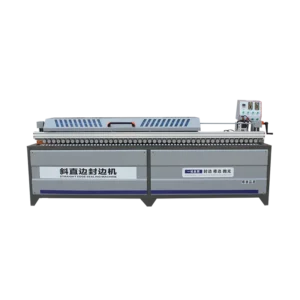
Products Disply ModelZDSDW3000TypeOblique straight edge banding machineFunctionGluing. Fine Trimming. Rough Trimming. End Trimming. Scraping. BuffingDimension(L*W*H)2990*650*1300mmApplicable...
View Details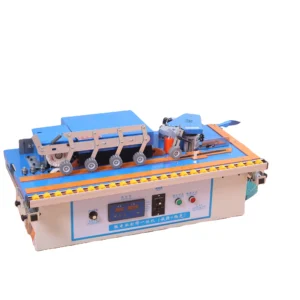
ZDSF120 Portable Edge Banding Machine, 220V, 0-6m/min Feed Speed, 10-60mm Panel Range — compact unit...
View Details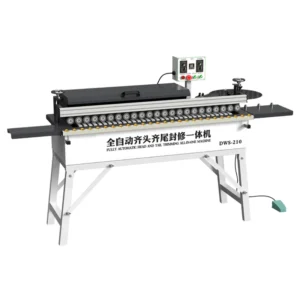
DW210 Portable Edge Banding Machine, 220V, 4000W, 1000ML Glue Pot — compact benchtop unit with...
View Details