Wood Based Panels Machinery
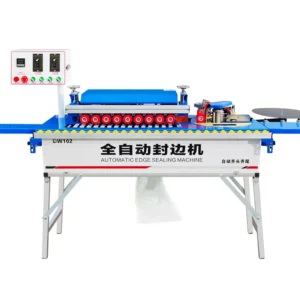
DW102 Automatic Edge Banding Machine | Compact
DW102 Automatic Edge Banding Machine, 3800W, 0.3–3mm Edge Thickness, Curved & Straight — compact footprint...
View Details
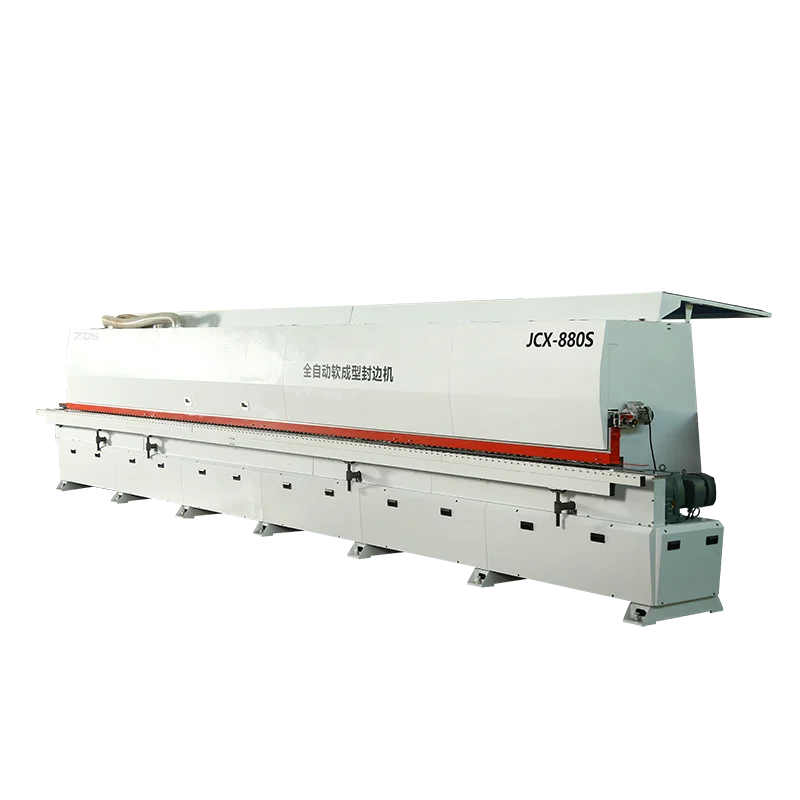
<p><strong>Soft Forming Edge Bander, 0.5–0.8mm Banding Thickness, 6–8m/min Feed Speed</strong> — sized for joinery workshops stepping up from manual edge banding to consistent machine output. Handles 15+ profiles including J, C, oblique and water drop shapes on MDF and PVC, with a minimum sheet size of 150×300mm for small component work. The compact footprint fits limited floor space while covering diverse contour banding needs. - Engineer-led configuration with formal quotation within 24 hours ensures the machine matches your actual production scope and local voltage requirements.</p>
Compact Footprint, Real Output — a soft forming edge bander sized for small workshops moving from manual to machine production, covering 15+ profiles without requiring a full-line investment.
| Parameter | Value |
|---|---|
| Product Type | Multiple Functional Soft Forming Edge Bander |
| Overall Dimensions | 8.82 × 1.07 × 1.85 m |
| Total Weight | 3200 kg |
| Total Power | 47.1 kW |
| Voltage | 380V |
| Pneumatic Pressure | 0.6–0.8 MPa |
| Panel Thickness Range | 18–22 mm |
| Minimum Sheet Width | 150 mm |
| Minimum Sheet Length | 300 mm |
| Edge Banding Thickness | 0.5–0.8 mm |
| Edge Banding Width | 58 mm |
| Conveying Speed | 6–8 m/min |
| Vacuum Opening Size | Ф100 × 6 |
| Machining Shapes | J type, C type, oblique straight, semi-pass, water drop, rhombus, triangle, and 15+ more types |
| Application | Material or Output |
|---|---|
| Custom cabinet door profiling | MDF core with PVC edge banding on contoured edges |
| Small-batch joinery components | Plywood and particleboard with veneer or PVC trim |
| Furniture panel edge finishing | Shaped and curved panel edges requiring soft-form profiles |
| Startup workshop production runs | Mixed-profile jobs with frequent changeovers between batch runs |
Matching the edge banding material to the machine's thermal capacity prevents rework before it happens.
I once specified an entry-level bander for a cabinet door shop transitioning from hand-applied edges. The trial run on PVC strip went smoothly, but once production switched to melamine paper edges, the glue pot could not maintain consistent temperature at the required feed rate. The delamination rate climbed fast enough to scrap an entire batch of door panels. That Soft Forming Edge Bander for small workshop environments taught me to always verify which banding materials a unit actually handles at its rated speed before confirming an order [NEED_CITE: edge banding adhesion standards for thermoplastic and paper-based materials].
Small joinery shops rarely run the same profile all day. This soft forming edge bander for small workshop floors supports over 15 edge profiles — J, C, oblique, water drop, rhombus, triangle — meaning a single unit covers the majority of contoured edge work a custom furniture maker encounters. Changeover between profiles is a routine adjustment rather than a full reconfiguration, which keeps downtime manageable when batch sizes stay small.
The 150 mm minimum width and 300 mm minimum length are not arbitrary numbers pulled from a brochure. In a cabinet shop, offcuts and narrow stile components regularly fall below standard panel sizes. A machine that cannot grip a 150 mm strip forces operators to edge-band oversized blanks and trim afterward, adding a secondary operation and wasting material. This unit accepts those smaller workpieces directly [NEED_CITE: common panel dimensions in custom cabinet manufacturing].
The 6–8 m/min conveying speed sits at the lower end of the industrial spectrum, and that is deliberate for this machine class. At higher feed rates, the glue pot must replenish heat faster to maintain the adhesive at its working temperature across the entire contact zone. For a 47.1 kW total power allocation shared across all stations — milling, gluing, pressing, trimming — this feed speed ensures the glue zone does not starve thermally when processing PVC or veneer stock at 0.5–0.8 mm thickness. Pushing the speed beyond this range with heavier adhesive demands risks cold joints, especially on MDF substrates that absorb heat from the glue line faster than plywood does. The 18–22 mm panel thickness range aligns with standard furniture board stocks, meaning the pressure rollers and glue roller maintain consistent contact without requiring manual gap adjustments between common thicknesses.
Shipping a 380V machine to a workshop running 220V three-phase without confirming compatibility beforehand is a surprisingly common failure. The motor windings on a unit like this are wound for a specific supply; running it on the wrong voltage either overheats the motor or starves the glue pot heater. Either outcome surfaces weeks after installation, not during the factory test. Buyers who skip this verification step end up paying for rewinding or replacement transformers on top of the original freight cost [NEED_CITE: international voltage and frequency standards for industrial woodworking machinery].
The four-stage quality control process — incoming material inspection, in-process checks, finished product verification, and pre-shipment testing — applies to this soft forming edge bander before it leaves the factory floor. Voltage and control panel language are confirmed before production starts, not discovered after the crate arrives. The patented cutting mechanisms deliver verified tolerances on profile trimming, which matters when shaped edges must mate with adjacent panels during assembly. Engineer-led configuration recommendations arrive within 24 hours of inquiry, so you can confirm whether this unit fits your current profile mix before committing. Factory visits are available for buyers who want to see the machine running their actual substrate and edge material before signing off [NEED_CITE: ISO 9001 quality management requirements for machinery manufacturers].
Send your typical edge banding material — PVC, veneer, or melamine paper — along with the thickness and width you run most often. Confirm your workshop's voltage and frequency so the electrical system can be configured before build. If you have a profile sample or a drawing of the shaped edge you need, include that so the machining stations can be verified against your actual work.
Q: Is this soft forming edge bander the right size for my workshop volume and floor space? A: The unit occupies roughly 8.82 × 1.07 meters and weighs 3200 kg, fitting into workshops that lack the space for a full production line. Its 6–8 m/min feed speed suits small-batch, multi-profile work rather than continuous high-volume output. If your daily runs involve frequent profile changes on cabinet components and joinery pieces, this configuration matches that workflow without overcommitting floor area or power infrastructure.
Q: What voltage does the machine require, and can it be set up for my local supply? A: The standard configuration runs on 380V three-phase power. Before production begins, your local voltage and frequency are confirmed so the motor windings, control transformer, and glue pot heaters are matched to your actual supply. This verification step prevents motor overheating and adhesive temperature failures that surface only after installation in workshops with incompatible power infrastructure.
Q: Which edge profiles and materials does it handle? A: The machine covers over 15 profiles including J, C, oblique straight, semi-pass, water drop, rhombus, and triangle shapes. It processes PVC and veneer edge banding at 0.5–0.8 mm thickness and up to 58 mm width. Switching between profiles involves adjusting the machining stations for the specific shape, and the minimum sheet dimensions of 150 × 300 mm allow small components to be processed directly.
Q: What happens when my production volume grows beyond this machine? A: This unit is designed as an entry point into mechanized soft-form edge banding. As volumes increase, workshops typically add dedicated straight-line edge banders or higher-speed contour machines alongside it rather than replacing it. The original machine continues handling specialty profiles and short runs while newer equipment absorbs the repetitive high-volume work.
Q: How is installation handled once the machine arrives? A: The machine ships with assembly documentation and arrives partially assembled. Final station alignment, belt tensioning, and glue pot calibration are completed on-site. Commissioning includes running your actual edge banding material on your chosen profile to verify adhesion and trim quality. An operation and maintenance manual in your language covers daily startup, consumable replacement, and troubleshooting procedures.
Standard specifications are listed below. Custom configurations are available -- contact us for tailored solutions.
| Parameter | Value |
|---|---|
| Product Name | Soft Forming Edge Bander for MDF PVC Edge Banding – Compact |
| Category | Wood Based Panels Machinery, Woodworking Machinery |
| Certification | CE, ISO9001 |
| Voltage | 220V/380V (Customizable) |
| Warranty | 1 Year |
| After-Sales | Remote technical support, spare parts supply |
| OEM/ODM | Available -- logo, color, voltage, language |
| Delivery | Standard export packaging, worldwide shipping |
| MOQ | 1 Unit |
| Lead Time | 15-30 days (subject to order) |
* Specifications may vary by model. Contact our team for exact technical data sheets.
Fill in your details and we'll respond within 24 hours with pricing, specifications and customization options.
DW102 Automatic Edge Banding Machine, 3800W, 0.3–3mm Edge Thickness, Curved & Straight — compact footprint...
View Details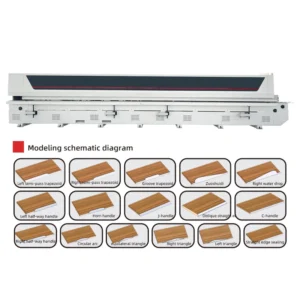
DW985 Soft Forming Edge Banding Machine, 380V, 22 function stations, 8-12m/min feed — configured for...
View Details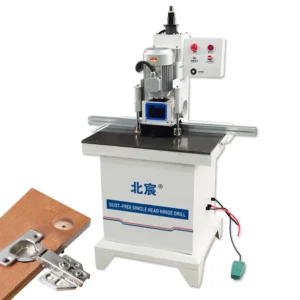
JL-1 CNC Wood Boring Hinge Drilling Machine, 1.5KW, 380V/415V, 35mm+3mm Dual Drill — the smallest...
View Details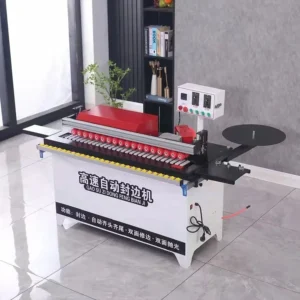
ZDS802 Automatic Edge Banding Machine, 220V, 4kW, 0-10m/min Feed — sized for small workshops transitioning...
View Details