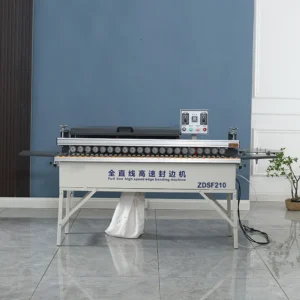
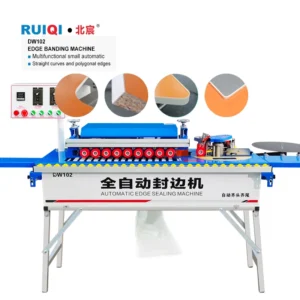
Ready Stock Dispatch — A dust-free mother saw configured for small workshops, with voltage and documentation verified before it leaves the floor.
Technical Specifications
| Parameter |
Value |
| Product Type |
Dust-Free Table Saw / Mother Saw |
| Blade Configuration |
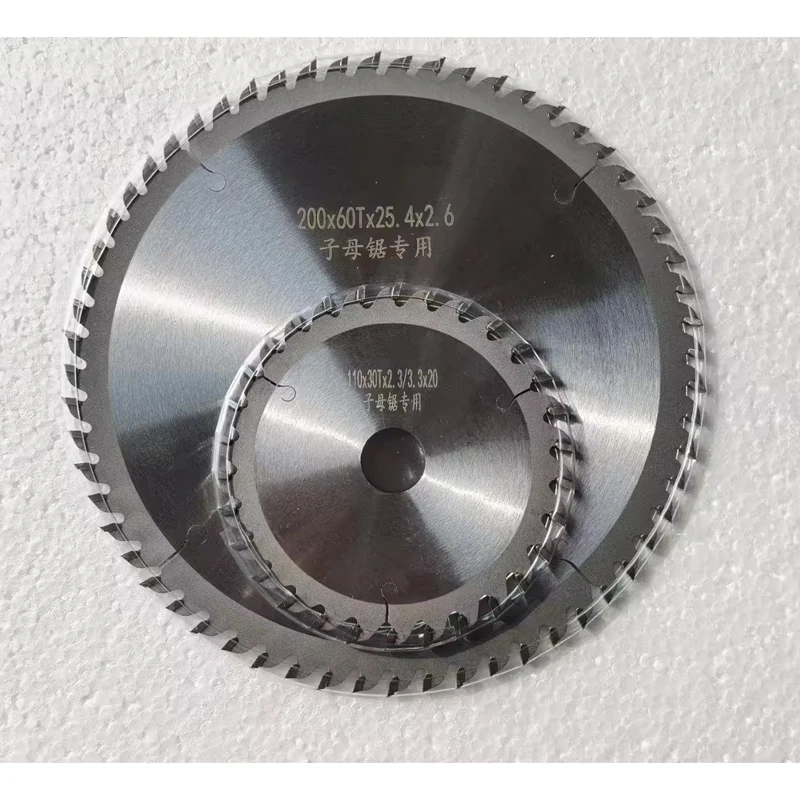
Main blade + scoring blade (mother saw setup) |
| Dust Extraction |
Integrated dust collection port, dust-free housing design |
| Assembly State |
Fully assembled at factory prior to shipment |
| Application Materials |
MDF, plywood, particleboard, solid wood panels |
| Voltage Options |
Configurable from 110V to 440V (confirm local supply before order) |
| Warranty |
1 Year |
| Control Language |
Multilingual panel available upon request |
| Certification |
CE, ISO 9001 |
Application Suitability
| Application |
Material or Output |
| Panel sizing for custom cabinet production |
MDF and plywood sheets, straight rip and cross cuts |
| Joinery workshop upgrading from hand saws |
Particleboard and blockboard, reduced chipping at edges |
| Small-batch furniture component cutting |
Solid wood panels, repeatable dimension control |
| On-site fit-out and carpentry crews |
Sheet goods in low-dust environments where air quality matters |
Why the Voltage Question Should Come Before Everything Else
Confirm your workshop supply before confirming your order.
I have seen machines arrive at a small cabinet shop only to sit idle for weeks because the local three-phase supply did not match the motor winding. The electrician rewired it, the warranty was voided, and the scoring blade never ran true again. A dust-free table saw in stock means little if it cannot plug into your panel and start cutting on day one. This is why voltage and frequency confirmation is the first step we take after you share your workshop details — not an afterthought once the crate is already on the water [NEED_CITE: voltage and frequency standards by export market].

Fast Dispatch Without Cutting Corners on Setup
When a small workshop decides to move from hand-held circular saws to a proper mother saw, the lead time between decision and first cut needs to be short. This dust-free table saw in stock ships from our floor within a typical ready-stock window, but we still run a pre-shipment verification before the crate is sealed. The scoring blade is aligned, the main blade is tensioned, and the dust collection port is tested under load so you receive a machine that cuts cleanly from the first panel you feed through it.
What Compact Footprint Actually Means for Your Floor
A joinery workshop moving into its first powered panel saw rarely has the space for a full-size beam saw. This machine fits into a corner bay where a workbench used to sit, and the integrated dust port connects to a standard extraction hose rather than requiring a dedicated cyclone system. The compact frame does not sacrifice the scoring blade — that secondary blade is what keeps your melamine-faced particleboard edges chip-free, something a hand-held saw with a guide rail simply cannot deliver consistently across a full day of cutting.
How Blade Configuration and Dust Design Affect Daily Output
The mother saw setup pairs a small-diameter scoring blade that rotates in reverse against the feed direction, pre-cutting the bottom laminate before the main blade shears through. This eliminates tear-out on coated particleboard and veneered MDF, which is the single most common reason panels get rejected at the edging stage downstream. The dust-free housing channels the majority of sawdust through the collection port rather than letting it accumulate on the table surface. Sawdust on the table means sawdust under the panel, which means the panel shifts during the cut and your dimension drifts — a problem you only discover when the carcass does not square up at assembly [NEED_CITE: woodworking dust extraction standards for panel saws].
The Hidden Cost of Skipping the Specification Conversation
Buying a table saw on price alone is how workshops end up with a machine that cannot handle their actual board thickness. A saw rated for 40mm cuts struggles when you feed it 60mm solid stock, the motor labours, the blade deflects, and your cut face shows burn marks. I once helped a customer who had purchased a light-duty saw for a production volume it was never built for — the motor overheated by mid-morning and the bearings needed replacing within months. Matching the machine to your material range and daily volume is not optional; it is the difference between a tool that earns its keep and one that costs you downtime [NEED_CITE: typical bearing failure causes in undersized woodworking machinery].
Why Procurement Through This Channel Works for Small Shops
Ready stock means your order does not wait behind a production queue — the machine is built, tested, and sitting on the floor. Voltage configuration from 110V to 440V is handled before dispatch, so you confirm your supply once and receive a motor wound to match. The multilingual control option means your operator reads the panel in a language they understand, which matters when you are adjusting scoring blade depth for a new material. Pre-shipment verification covers blade alignment, dust port flow, and motor load under actual cutting conditions. Every unit ships with an operation manual in your agreed language and a spare parts list so you can reorder blades and bearings locally or direct.
Documentation & Verification
- CE declaration of conformity covering the complete saw assembly and electrical system
- ISO 9001 certificate from the manufacturing facility
- Factory test record run on your specified panel thickness and material type
- Electrical schematic with confirmed voltage and frequency for your workshop supply
- Operation and maintenance manual translated into your preferred working language
- Packing photographs taken before crate closure for your records
Installation, Commissioning & Support
- Level the machine on a solid concrete floor; the compact frame requires no special foundation work
- Connect to a dedicated circuit matching the confirmed voltage and frequency specified on your order
- Machine arrives fully assembled — connect the dust extraction hose and power supply before first run
- Scoring blade depth and main blade height adjustment covered in the included multilingual manual
- Spare blade and bearing list provided so you can maintain stock for your cutting volume
- Routine dust port cleaning schedule outlined to maintain extraction performance over time
What We Need From You to Confirm the Right Configuration
Share the panel materials you cut most often, the typical board thickness range, and your local voltage and frequency. If you are replacing an existing saw, tell us what it could not handle so we can address that gap directly.
Frequently Asked Questions
Q: What panel thickness and width can this saw handle?
A: The mother saw configuration is designed for standard sheet goods used in cabinet and furniture production, including MDF, plywood, and particleboard. Exact cutting capacity depends on the specific motor and blade package fitted. Share your typical board thickness range during inquiry so we confirm the unit in stock matches your material before it ships.
Q: How do I confirm the voltage and plug type match my workshop?
A: Send your local supply voltage, phase, and frequency along with your inquiry. We configure the motor winding and plug type before dispatch so the machine connects directly to your existing circuit. A dedicated circuit matching the confirmed specification is required — do not run this saw through a shared workshop line with heavy starting loads.
Q: Is the machine shipped fully assembled or does it require installation?
A: The saw leaves the factory fully assembled, with the main blade and scoring blade mounted and aligned. On arrival you connect the dust extraction hose to the integrated port and supply power to the confirmed voltage. No mechanical reassembly is needed, though you should verify blade alignment after transit before running production panels.
Q: What spare blades and consumables should I order with the machine?
A: A spare parts list is included with every shipment, covering scoring blades, main blades, and drive belts matched to your configuration. We recommend ordering at least one additional scoring blade and one main blade upfront so you can rotate them during production without waiting for a resupply, especially when cutting abrasive particleboard.
Q: How soon can the machine be dispatched after order confirmation?
A: Ready-stock units are dispatched within a typical short lead time once voltage and documentation details are confirmed. Pre-shipment testing — including blade alignment, dust extraction flow, and motor load verification — is completed before crating. We share packing photographs and tracking details so you can plan your workshop floor space and electrical connection ahead of arrival.