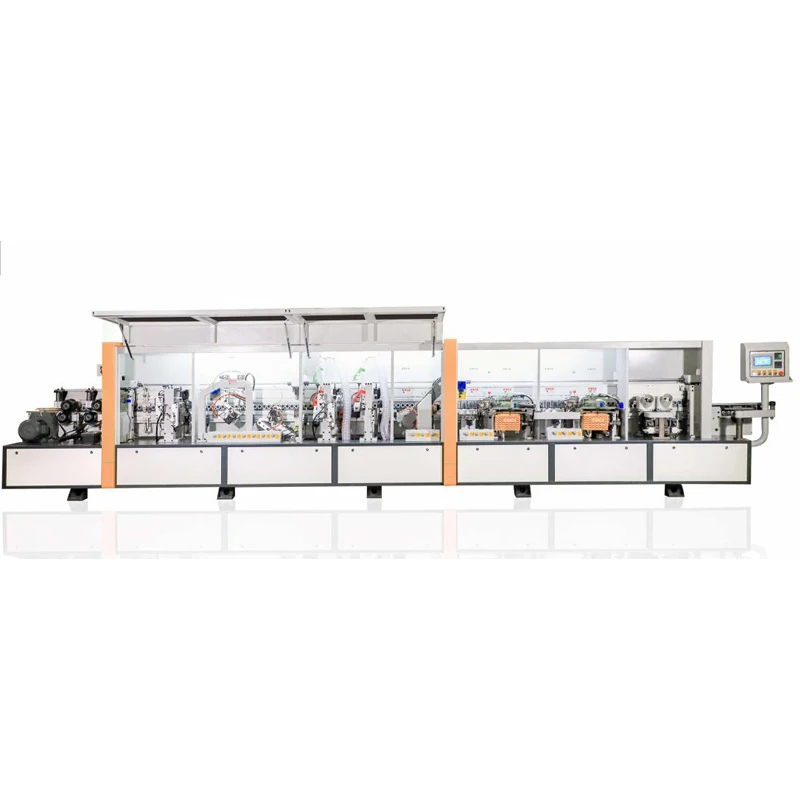
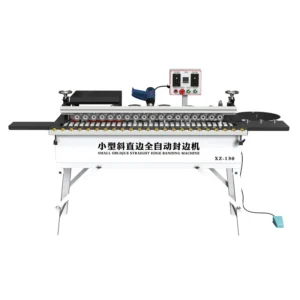
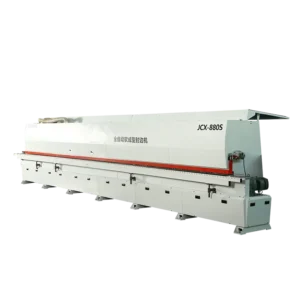
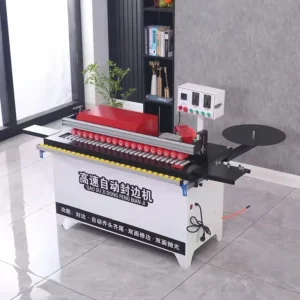
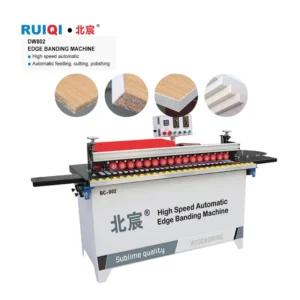
Five-tier function scaling — from the 4-meter ZDS365 to the 8-meter ZDS-468JJ, each step adds defined stations so a joinery startup can begin within budget and grow without replacing the supplier.
Technical Specifications
| Parameter |
Value |
| Model |
ZDS365 / ZDS-368 / ZDS-468 / ZDS-468J / ZDS-468JJ |
| Product Type |
Automatic Edge Banding Machine |
| Pre-milling Unit |
Not included (ZDS365, ZDS-368, ZDS-468) / Included (ZDS-468J, ZDS-468JJ) |
| Gluing Stations |
1 (ZDS365 to ZDS-468J) / 2 (ZDS-468JJ) |
| End Trimming |
Included (all models) |
| Rough Trimming |
Not included (ZDS365) / Included (ZDS-368 to ZDS-468JJ) |
| Fine Trimming |
Included (all models) |
| Corner Rounding |
Not included (ZDS365, ZDS-368) / Included (ZDS-468 to ZDS-468JJ) |
| Scraping |
Included (all models) |
| Buffing Stations |
1 (ZDS365 to ZDS-468J) / 2 (ZDS-468JJ) |
| Min. Panel Size |
300×60 mm (ZDS365, ZDS-368, ZDS-468) / 150×150 mm (ZDS-468J, ZDS-468JJ) |
| Total Power |
8.15 kW (ZDS365) / 9.65 kW (ZDS-368) / 13 kW (ZDS-468) / 16 kW (ZDS-468J) / 18.5 kW (ZDS-468JJ) |
| Overall Dimensions (L×W×H) |
4070×900×1600 mm to 8000×900×1600 mm depending on model |
| Net Weight |
1200 kg (ZDS365) / 1400 kg (ZDS-368) / 1600 kg (ZDS-468) / 2000 kg (ZDS-468J) / 2300 kg (ZDS-468JJ) |
| Panel Thickness Range |
10–60 mm (all models) |
| Edge Thickness Range |
0.4–3 mm (all models) |
| Working Pressure |
0.6 MPa (all models) |
| Voltage & Frequency |
3-Phase 380V (configurable from 110V to 440V on request) |
| Control System |
PLC control system |
| Glue Pot |
Teflon-coated with anti-carbonization design; upgradeable to PUR glue pot |
| Pressing Rollers |
4 sets standard (optional 6 sets) |
| End Trimming Motors |
2 × 0.37 kW, 12000 rpm |
| Fine Trimming Motors |
2 × 0.75 kW, 12000 rpm, R2 cutters |
| Pre-milling Unit (ZDS-468J, ZDS-468JJ) |
Diamond cutters, 2 × 2.2 kW, 12000 rpm, max cut depth 2 mm |
| Assembly State |
KD packing for small parts; main unit requires on-site assembly |
| Warranty |
1 year |
Application Suitability
| Application |
Material or Output |
| Custom cabinet door edge finishing |
MDF and particleboard with PVC or ABS edge banding |
| Small workshop furniture production |
Plywood and melamine-faced board with veneer edge banding |
| Joinery startup transitioning from manual banding |
Solid wood panels with 0.4–3 mm PVC, ABS, or veneer strips |
| Moderate-volume shelving and carcass manufacturing |
Chipboard and MDF requiring pre-milled edges for clean glue lines |
Why Voltage Confirmation Must Happen Before You Pay
Buying an automatic edge banding machine for small workshop use without verifying your local voltage is a mistake I have watched more than one buyer make. The default 380V three-phase configuration will not run on every workshop supply, and rewinding a motor after arrival is a multi-week delay you cannot afford when orders are waiting.
I was on the floor when a cabinet factory received a machine that simply would not power on. The workshop ran on a different voltage standard, and nobody had asked. Three weeks of idle time followed while the electrical system was reconfigured. That is not a shipping delay or a customs hold — that is a conversation that should have happened during the quotation stage [NEED_CITE: voltage and frequency standards by export market]. Every unit in this range is configurable from 110V to 440V, but the request has to be made before production begins.

Five Steps from Entry-Level to Full-Function
The ZDS365 starts at 4070 mm in length and 8.15 kW total power — a footprint that fits against a wall in a two-man joinery shop. It handles gluing, end trimming, fine trimming, scraping, and buffing, which covers the basic workflow for a workshop moving away from hand-held edge banders. Each subsequent model adds specific stations: the ZDS-368 brings in rough trimming, the ZDS-468 adds corner rounding, the ZDS-468J introduces pre-milling, and the ZDS-468JJ doubles both the glue pot and the buffing unit.
This tier system means a small furniture maker can match their automatic edge banding machine for small workshop production to their actual daily volume rather than paying for functions they will not use in the first year. When orders grow and panel quality expectations tighten, the upgrade path is a lateral move within the same product family — not a complete replacement.
The Pre-Milling Question for Chipboard Users
Pre-milling becomes important the moment you work with particleboard or chipboard where the saw cut leaves micro-chips along the edge. The ZDS-468J and ZDS-468JJ carry a diamond cutter pre-milling unit running at 12000 rpm with a maximum cut depth of 2 mm, removing that damaged layer before the glue is applied. Without it, the edge banding follows the contour of those chips, producing a visible wavy line on light-colored PVC or thin veneer.
For a workshop processing MDF or plywood with clean saw cuts, the ZDS-468 with corner rounding may be sufficient [NEED_CITE: edge quality requirements across substrate types]. The pre-milling stations add length and power draw — the ZDS-468J is 6600 mm long at 16 kW — so the decision should be based on the substrates you actually run, not on a specification sheet comparison.
Reading the Specification Sheet Against Your Workpieces
The 10–60 mm panel thickness range is shared across all five models, but the minimum panel size differs: the first three models accept 300×60 mm, while the ZDS-468J and ZDS-468JJ handle pieces as small as 150×150 mm. If your output includes small drawer fronts or narrow cabinet dividers, that smaller minimum dimension matters on every shift. The edge thickness range of 0.4–3 mm covers standard PVC and ABS as well as thicker veneer strips.
The Teflon-coated glue pot with anti-carbonization design is standard across the range, which prevents the burnt adhesive buildup that causes streaky glue lines after several hours of continuous operation. For workshops planning to move toward PUR adhesive — often required by furniture brands demanding moisture-resistant edge bonds — the glue pot is upgradeable, so the machine does not need replacing when your adhesive specification changes. The PLC control system centralizes station activation, meaning an operator transitioning from manual banding can enable or disable individual functions without rewiring or mechanical adjustments.
When the Wrong Configuration Costs More Than the Machine
A workshop that buys a ZDS365 for high-volume chipboard production will spend more time cleaning chipped edges than the machine saves in labor. The absence of pre-milling and rough trimming on the entry model is not a defect — it is a deliberate configuration for cleaner substrates and moderate throughput. Running it beyond that scope produces rework that erodes the margin on every panel.
Similarly, ordering a machine without confirming the working pressure supply leads to inconsistent pressing roller contact. The system requires 0.6 MPa, and an underpowered compressor causes intermittent adhesion failures that only show up after the panels reach the customer [NEED_CITE: compressed air requirements for pneumatic edge banding stations]. These are not manufacturing faults. They are configuration mismatches that a detailed pre-order conversation prevents.
Why Procurement Through This Channel Works
Engineer-led configuration means the quotation arrives with a station-by-station confirmation, so you know whether corner rounding is included or optional on your chosen model. The four-stage quality process covers incoming material inspection through pre-shipment verification, and the factory test record documents your specific panel thickness range before the crate closes.
Voltage customization is confirmed on the electrical schematic before production starts, not discovered after the machine arrives. The operation and maintenance manual is produced in the language you specify, which prevents the commissioning stall that happens when an operator cannot read the PLC interface. Full OEM and private label capability is available for distributors stocking machines under their own brand for regional markets.
Documentation & Verification
- CE declaration of conformity matching your automatic edge banding machine model
- Machine specification sheet confirming every station and optional feature in writing
- Electrical schematic with voltage and frequency confirmed for your local supply
- Factory test record run on your specified panel thickness and edge material
- Operation and maintenance manual in the language your operators read
- Packing photographs showing the machine condition before the crate is sealed
Installation, Commissioning & Support
- Floor space from 4070 mm to 8000 mm length depending on model; allow clearance at both ends for panel infeed and outfeed
- Dedicated three-phase circuit matching your confirmed voltage; the 18.5 kW ZDS-468JJ requires its own breaker rated above continuous draw
- Main unit ships partially disassembled with KD-packed small parts; assembly follows the included manual or video guidance
- First-run commissioning includes setting feed speed, glue temperature, and trimming cutter depth for your specific edge material
- Teflon-coated glue pot requires periodic cleaning per the maintenance schedule to preserve the anti-carbonization coating
- Spare parts list covers trimming cutters, buffing wheels, and pressing rollers with reorder part numbers
What to Include in Your Inquiry
Tell us the panel materials you run most often — MDF, particleboard, plywood, or solid wood — and the edge banding type and thickness you use daily. Share your local voltage and frequency so the electrical configuration is locked in at quotation. If your workshop has a compressor already on site, confirm its output pressure and capacity so we can verify compatibility with the 0.6 MPa requirement.
Frequently Asked Questions
Q: Which model tier matches my current workshop volume?
A: The ZDS365 suits joinery startups processing moderate volumes of MDF or plywood with basic edge finishing needs. The ZDS-468 adds corner rounding for cabinet makers running PVC on particleboard. The ZDS-468J and ZDS-468JJ serve small factories that need pre-milling for chipboard edge quality and higher station counts for continuous daily shifts.
Q: Is the default 380V compatible with my workshop supply?
A: The standard configuration is three-phase 380V, but many export markets use different voltage and frequency standards. This range is configurable from 110V to 440V. Confirm your local supply specifications before ordering so the motor windings, control transformer, and PLC power supply are built to match your site.
Q: What is included in the base configuration versus optional?
A: Base configuration varies by model tier. Gluing, end trimming, fine trimming, scraping, and buffing are standard across the range. Rough trimming, corner rounding, pre-milling, PUR glue pot, slotting device, and double buffing are model-dependent or optional. Request the written specification sheet to confirm every station on your chosen model.
Q: How is assembly handled when the machine arrives?
A: The main frame ships partially assembled with small components KD-packed. An operation manual and video guidance walk through the remaining assembly steps. Remote support is available during commissioning to verify feed alignment, glue temperature, and trimming cutter settings for your specific edge banding material.
Q: What spare parts come with the machine and how do I reorder?
A: A spare parts list is included with every shipment, covering consumables such as trimming cutters, buffing wheels, and pressing roller components. Reorder part numbers are documented so you can request replacements directly. Confirm the list matches your configuration before the machine leaves the factory.