

70% of small custom cabinet shops only need curved edge banders for less than 15% of their total order volume, yet most still overspend on dedicated curved units they barely use. If you’re sourcing edge banding equipment for woodworking production, mismatching your machine type to your actual workflow will not only drag down processing efficiency but also leave you stuck with underutilized assets that eat into your profit margins for years.
Aligning your edge bander selection directly with your production scale, regular order shape ratio, and material mix will boost your edge sealing efficiency by 30-50% while cutting post-processing waste to near zero.
As someone who has supported over 120 woodworking businesses across 18 markets with equipment sourcing decisions in the last 5 years, I’ve seen the same costly mistake repeat across every region: buyers default to popular machine types instead of auditing their own order data first. [NEED_CITE: 4 out of 10 small woodworking workshops replace their first edge bander within 3 years due to mismatched equipment selection]
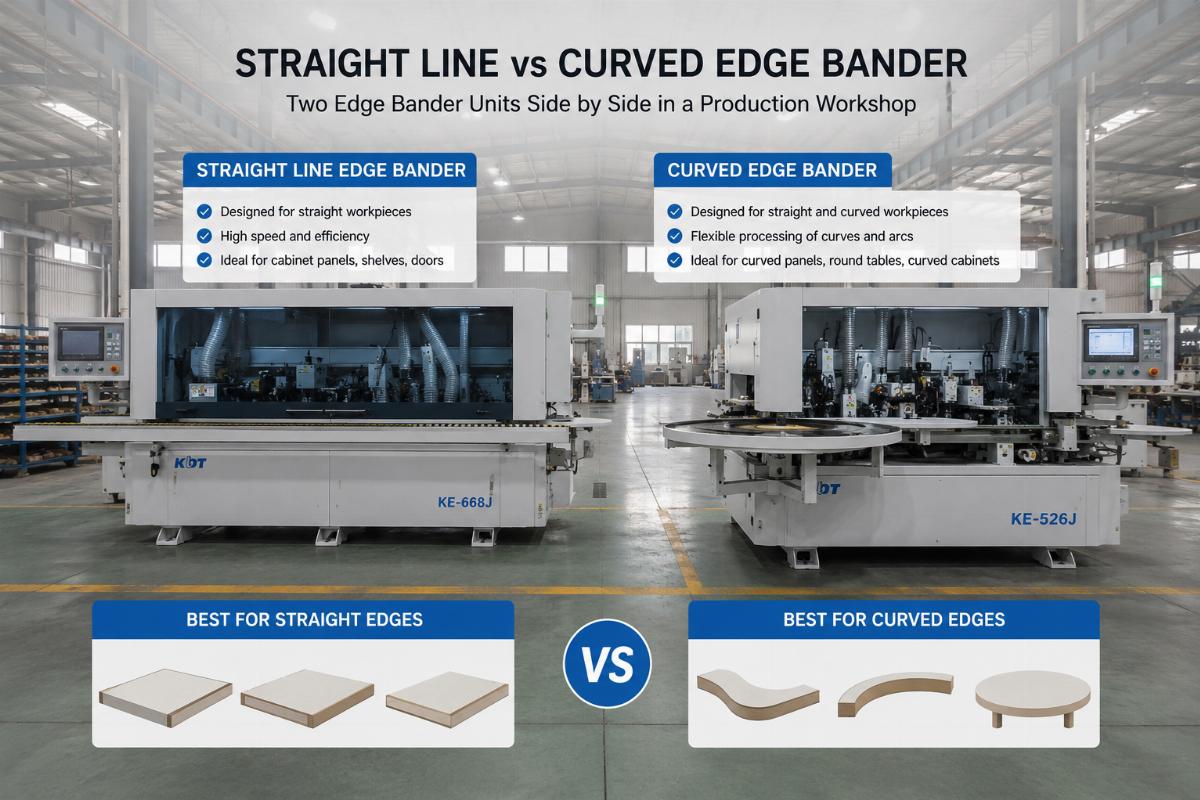
We’ll break down exactly which use cases fit each machine type, how to avoid common overspend traps, and what to prioritize when sourcing from Chinese manufacturers to get the best value for your budget.
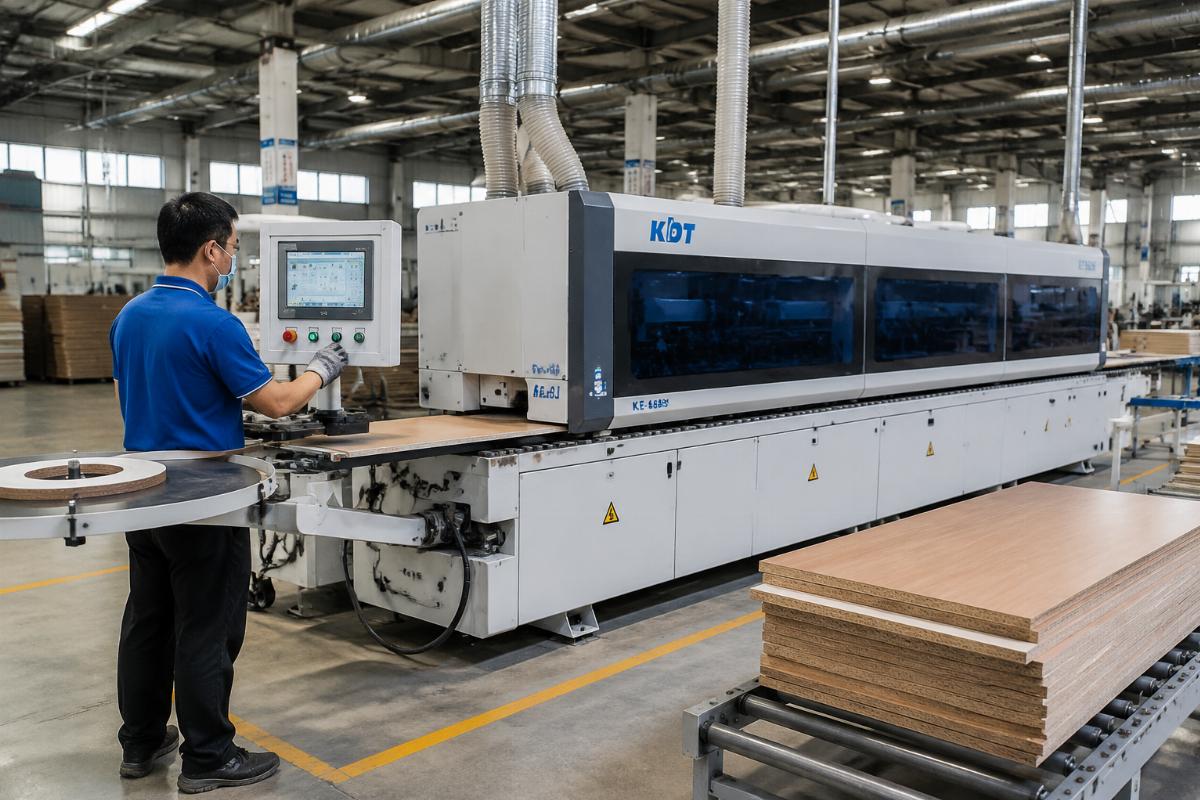
I worked with a 2000 sqm panel furniture factory in Southeast Asia last quarter that upgraded from manual edge banding to 2 units of fully automatic straight line edge banders, cutting their per-panel processing time from 12 minutes to 6.6 minutes and boosting their daily output by 82 units without adding extra production shifts.
-
Auditoría de Volumen de Producción{{ZKF_2}} – Cuenta tu producción de paneles de forma regular durante 2 semanas consecutivas para confirmar si representa el 80% o más de tu producción total.{{ZKF_3}}
Verificación de Compatibilidad de Materiales{{ZKF_2}} – Verifique que la máquina sea compatible con sus materiales más comunes, incluyendo MDF, aglomerado y contrachapado.{{ZKF_3}}
Referencia de Tiempo de Ciclo{{ZKF_2}} – Confirme que la velocidad de procesamiento por panel listada coincida con el tiempo de ciclo real que necesita para alcanzar sus objetivos de producción diarios.{{ZKF_3}}
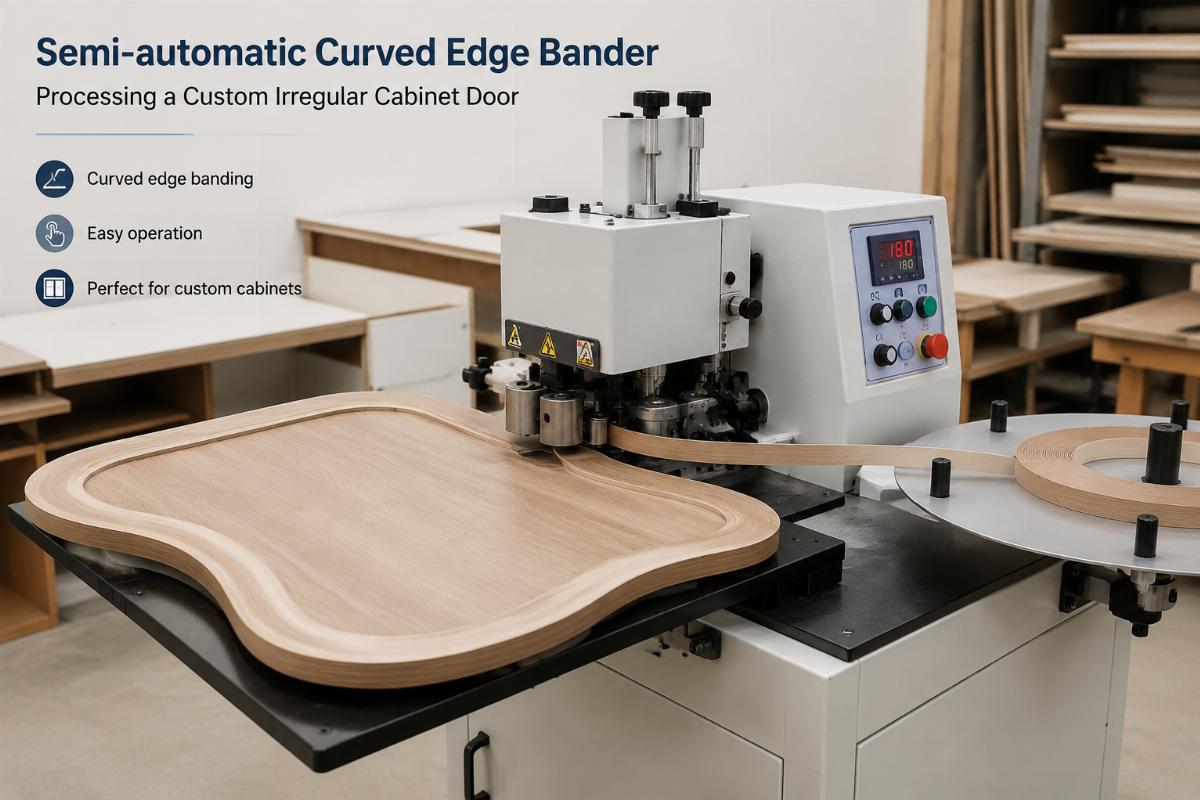
A 12-person custom cabinet workshop in the Middle East adopted 1 unit of semi-automatic curved edge bander last year after auditing their order data and finding that 90% of their output was irregular-shaped cabinet doors, eliminating the need to outsource complex edge sealing work and cutting their per-order production lead time by 7 days.
-
Auditoría de Forma de Pedido{{ZKF_2}} – Sumar 3 meses de pedidos pasados para calcular la participación exacta de paneles de forma irregular en su producción total.{{ZKF_3}}
Comparación de Costos de Subcontratación{{ZKF_2}} – Compare el costo de subcontratar trabajos de sellado de bordes curvados raros contra el costo inicial y operativo de una unidad curvada dedicada.{{ZKF_3}}
Confirmación de Velocidad de Ajuste{{ZKF_2}} – Pruebe cuánto tiempo tarda la máquina en cambiar entre diferentes perfiles curvados para confirmar que se ajusta al tamaño de su lote de trabajo.{{ZKF_3}}
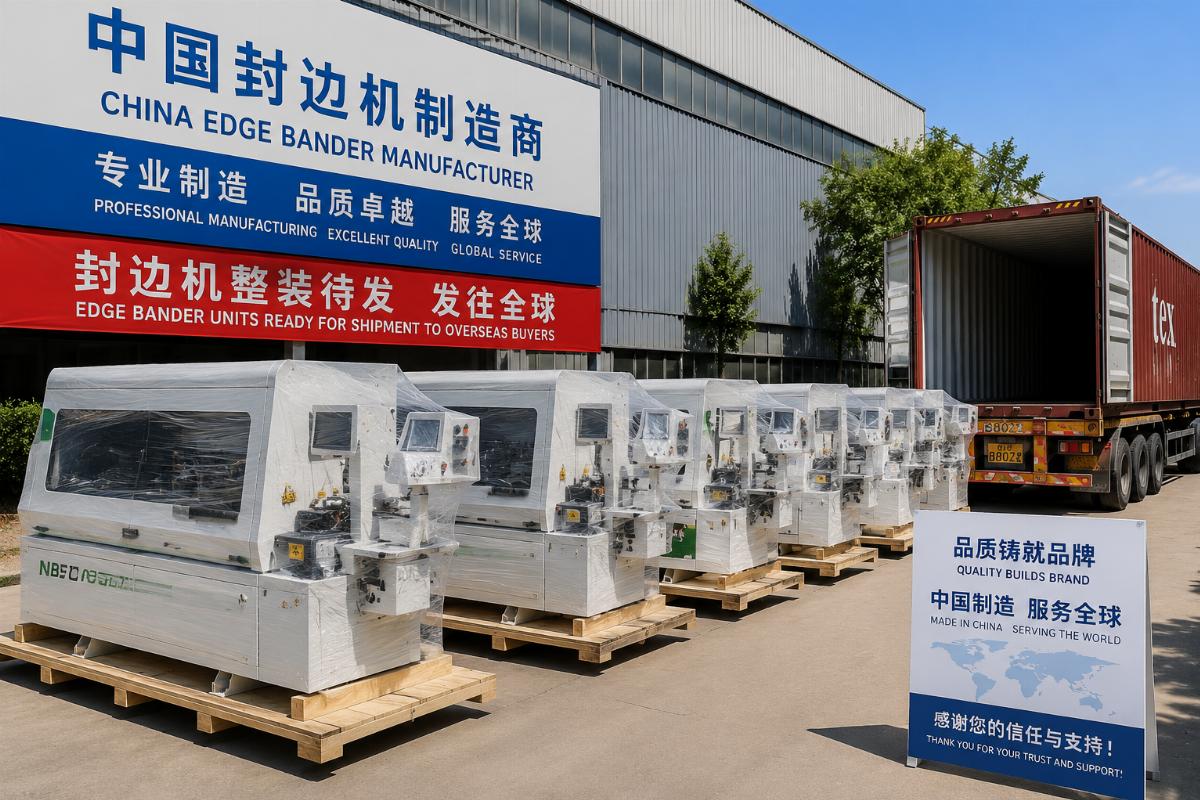
A regional wood machinery distributor in Latin America ordered 15 mixed units of straight line and curved edge banders from a Chinese specialist last year for local resale, hitting a 40% gross margin while still undercutting local competitors’ pricing by 25% and offering longer warranty terms. Shandong Ruiqi Machinery, with over 20 years of industry experience, offers a full range of automatic, semi-automatic and manual edge bander options, flexible MOQ starting at 1 unit and overseas on-site installation support to fit both end-user and reseller needs.
-
Verificación del Fabricante{{ZKF_2}} – Confirme que el proveedor tenga al menos 20 años de experiencia especializada en la producción de equipos de cantos para trabajar la madera.{{ZKF_3}}
Priorización de Parámetros{{ZKF_2}} – Enumera solo las características esenciales que necesitas para tu flujo de trabajo específico, evita pagar por complementos que nunca usarás.{{ZKF_3}}
Confirmación de Postventa{{ZKF_2}} – Verifique que el proveedor ofrezca soporte de instalación en el sitio y soporte técnico multilingüe para su región.{{ZKF_3}}
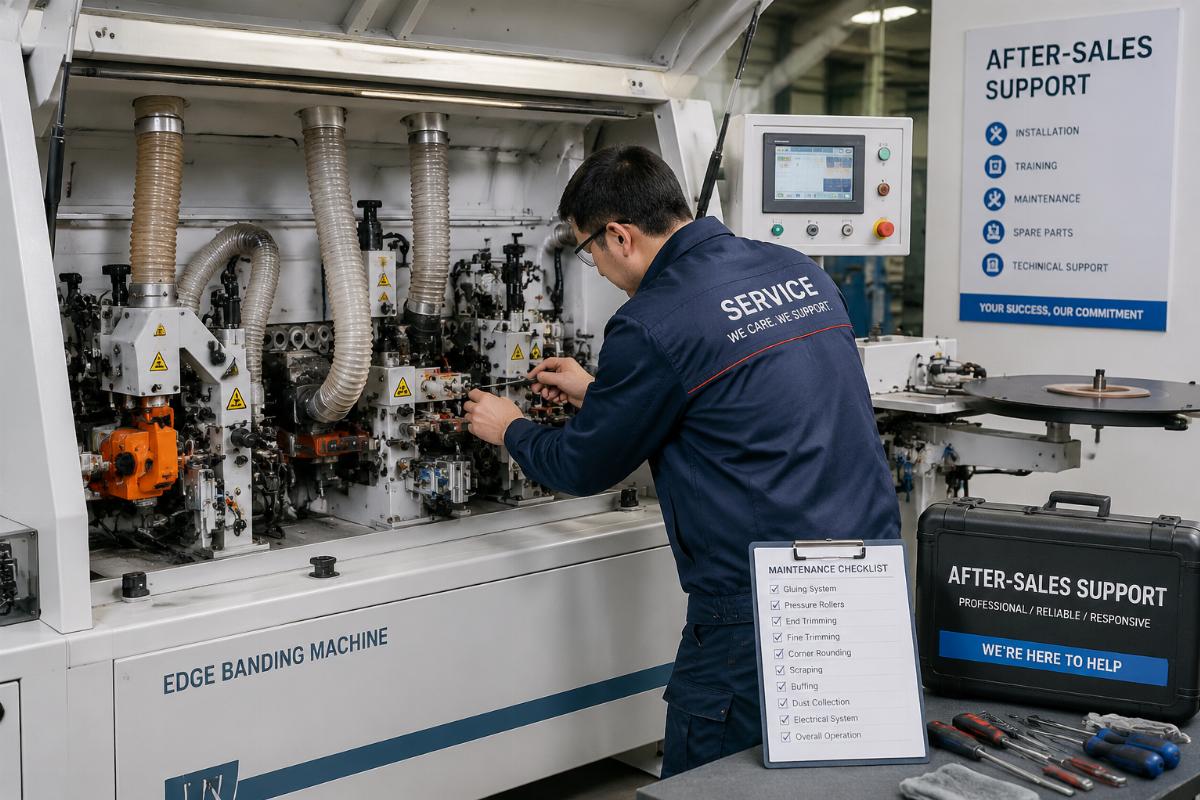
I’ve seen multiple operations across Africa and Southeast Asia buy low-cost no-name edge banders only to be stuck with unusable units within 6 months when the supplier could not provide replacement parts or troubleshooting support, leading to total losses exceeding $12,000 per unit.
-
Auditoría de Riesgo de Reemplazo de 3 Años{{ZKF_2}} – Calcule la probabilidad de que necesite reemplazar la unidad dentro de 3 años basándose en los puntos de falla comunes para el modelo que está considerando.{{ZKF_3}}
Verificación de Disponibilidad de Piezas de Repuesto{{ZKF_2}} – Confirme que las piezas de desgaste comunes como los elementos calefactores y las cuchillas de recorte estén fácilmente disponibles en su mercado local.{{ZKF_3}}
- **Costo Total de Propiedad
Leave a Reply