Wood Based Panels Machinery
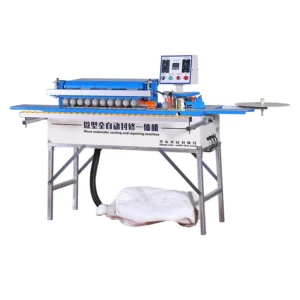
PVC MDF Furniture Edge Banding Machine - Compact
Automatic Edge Banding Machine, 4kW, 0–6 m/min Feed Speed, 10–60mm Board Thickness — compact dual-purpose...
View Details
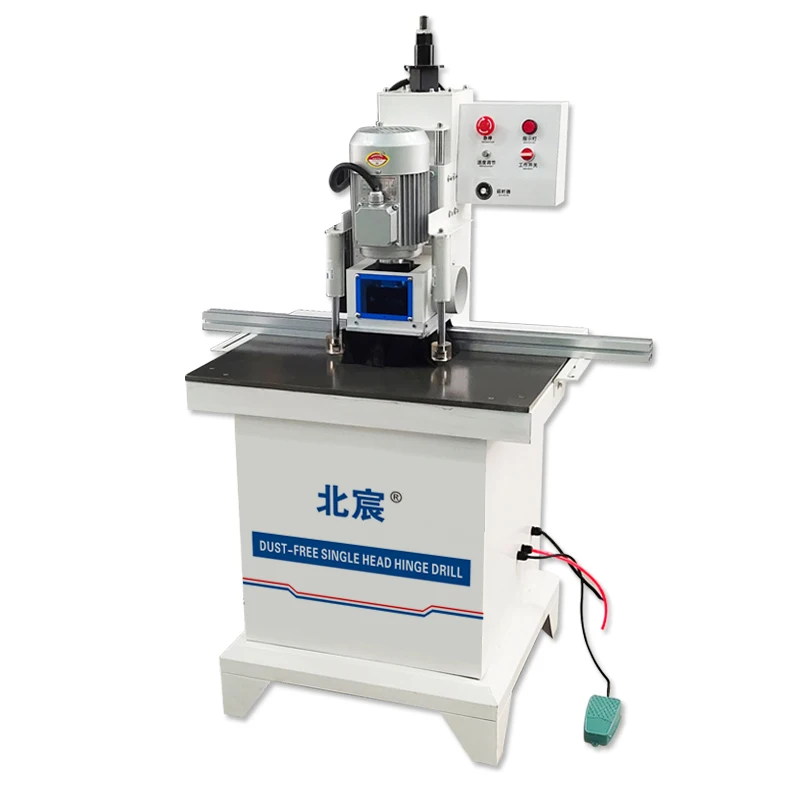
<p><strong>JL-1 Single Row Wood Boring Machine, 1.5KW, Foot Switch Control, 35mm Hinge Drill</strong> — compact at 70×56×145 cm and 55KG for tight workshop spaces.</p> <ul> <li>Designed as the smallest viable entry point for joinery shops moving from hand drilling to consistent cabinet door hinge processing</li> <li>Precision guide rails with vertical and horizontal adjustment for repeatable 35mm cup holes and 3mm dowel pins</li> <li>Runs on standard 380V/415V three-phase supply with simple foot-switch operation — no PLC training required</li> <li>Custom voltage from 110V to 440V and multilingual manuals available to match your local setup</li> </ul> <p>Engineer-led configuration with formal quotation within 24 hours, backed by four-stage QC and pre-shipment test documentation for every unit.</p>
Low-power entry point — purpose-built for small cabinet shops moving from hand drilling to repeatable hinge boring, occupying less floor space than a standard workbench.
| Parameter | Value |
|---|---|
| Model | JL-1 |
| Product Type | Single Row Wood Boring Machine |
| Rated Power | 1.5 kW |
| Voltage & Frequency | 380V/415V three-phase four-wire |
| Control System | Foot switch control |
| Overall Dimensions (L×W×H) | 70×56×145 cm |
| Net Weight | 55 kg |
| Drill Specifications | 35 mm large drill, 3 mm small drill |
| Standard Function | Cabinet door hinge hole opening |
| Guide Rail | Precision guide rails |
| Motor Type | Pure copper motor |
| Vacuum Power | External vacuum system required |
| Language Options | Chinese and English (source value — verify against manufacturer catalog) |
| Assembly State | Fully assembled |
| Application | Material or Output |
|---|---|
| Cabinet door hinge cup drilling | MDF, particleboard, plywood panels up to standard door thickness |
| Wardrobe and cabinet panel dowel holes | Solid wood panels and engineered board for 3 mm pin insertion |
| Loose leaf hinge boring for door manufacturing | Plywood and MDF door blanks in small-batch joinery |
| Small custom furniture workshop production | Panel stock for cabinets, wardrobes, and shelving units |
A single row wood boring machine for small workshop use that arrives with the wrong voltage configuration will sit idle until a transformer is sourced — a delay no small shop can absorb.
I watched a client in the Middle East lose two weeks of production because a 380V machine landed in a facility running 440V three-phase. The local electrician couldn't step it down without a custom transformer, and sourcing one locally meant waiting on a shipment from another city. For a workshop that just transitioned from manual hinge drilling, that idle time felt like stepping backward. [NEED_CITE: voltage and frequency standards by export market]
The JL-1 ships with a standard 380V/415V three-phase four-wire configuration, but voltage customisation is available across a range that covers most export markets. Confirming your facility's supply before production begins eliminates the single most common cause of installation delays.
Small joinery workshops rarely have a dedicated drilling station waiting to be filled. The JL-1 measures 70×56×145 cm and weighs 55 kg, meaning it can be positioned against a wall or between existing saws and assembly benches without rearranging the entire floor plan. At this scale, the single row wood boring machine for small workshop environments needs to coexist with other equipment rather than demand its own zone. Fully assembled on arrival, it requires no foundation bolts or dedicated floor anchoring — just level ground and clearance for panel handling on the infeed side.
The foot switch control on this unit keeps both hands free to position and hold the panel against the guide rail, which matters when a single operator is managing the entire drilling workflow. There is no PLC interface to learn, no touchscreen menu to navigate between jobs. For a workshop where the same person cuts, drills, and assembles, removing the cognitive overhead of a control system means faster transitions between cabinet door batches and fewer errors on repeat hinge cup positions. [NEED_CITE: CE machinery directive requirements for industrial equipment]
The 35 mm large drill handles the standard Euro hinge cup bore that dominates cabinet and wardrobe door hardware across most markets. The 3 mm small drill covers dowel pin holes for panel joining, which means a single machine handles both the hinge mounting and the carcass assembly drilling in one station. Precision guide rails maintain hole position repeatability across a production run, so the twentieth door in a batch aligns identically to the first when it reaches the assembly bench. If your hinge hardware requires non-standard cup diameters, confirming drill head compatibility before order avoids re-tooling after delivery.
Some workshops purchase the cheapest drilling unit available, then discover it cannot hold position tolerance across a full batch of cabinet doors — hinge plates misalign, and the assembler spends extra time forcing hardware into poorly bored holes. Others buy a machine rated for higher production volumes than they need, paying for throughput capacity that sits idle and consuming more floor space than the workshop can spare. Both mistakes stem from selecting a machine without mapping it to actual daily panel counts and hinge types. [NEED_CITE: typical hinge bore tolerance requirements for cabinet assembly]
In-house manufacturing with verified tolerance means the precision guide rails on the JL-1 are ground and inspected under the same roof where assembly happens, rather than sourced from a third party and bolted on. Voltage and language customisation are treated as standard order parameters, not special requests — your 415V supply and English manual are confirmed before production starts. A four-stage quality check covers incoming materials through pre-shipment verification, so the machine you receive matches the test record. The product family extends from this entry-level unit upward, meaning when your volume outgrows single-row drilling, you can move to a multi-row configuration without switching suppliers or re-learning a new control ecosystem.
To prepare an accurate quotation for the single row wood boring machine for small workshop use, share your local voltage and frequency so the motor and wiring match your grid on arrival. Confirm the hinge cup diameter and dowel pin size your hardware requires, so we verify the drill head configuration before building. If you plan to process specific panel materials or thicknesses, let us know so we can run a sample test and include the record with your shipment.
Q: How do I match the 380V/415V supply to my local grid if my workshop runs a different voltage? A: Voltage customisation is available across a range covering most export markets. Before production, we confirm your facility's exact voltage and frequency, then configure the motor and wiring accordingly. This avoids the delay of sourcing a transformer after the machine arrives, which is a common issue when voltage is not verified early in the order process.
Q: What panel thickness range does this machine handle, and when should I consider moving to a multi-row borer? A: The JL-1 processes standard cabinet and wardrobe door panel thicknesses for hinge cup and dowel drilling. When your daily panel count consistently exceeds what a single-operator foot-switch workflow can manage, or when you need simultaneous multi-hole patterns across larger panels, a multi-row boring machine becomes the appropriate next step in the same product family.
Q: What are the space and installation requirements for getting this machine running? A: The unit measures 70×56×145 cm and sits on level ground without floor anchoring. You need a three-phase power connection matching the confirmed voltage, plus an external vacuum system for dust extraction at the drill head. Clearance on the infeed side should accommodate the longest panel you plan to process.
Q: Can I get the operation manual in a language other than Chinese or English? A: The standard language options listed are Chinese and English. If your operators require a different language for the manual and any control labels, specify this during the order confirmation stage so the documentation is prepared before shipment rather than translated locally after delivery.
Q: Is it possible to run a sample test before committing to a full order? A: Yes. You can submit your panel material and hinge specifications for a factory test run on the JL-1, and we provide the test record with photographs. This verifies hole position accuracy and guide rail repeatability on your actual stock before you commit to a production quantity.
Standard specifications are listed below. Custom configurations are available -- contact us for tailored solutions.
| Parameter | Value |
|---|---|
| Product Name | Compact Single Row Wood Boring Machine for Cabinet |
| Category | Wood Boring Machines, Woodworking Machinery |
| Certification | CE, ISO9001 |
| Voltage | 220V/380V (Customizable) |
| Warranty | 1 Year |
| After-Sales | Remote technical support, spare parts supply |
| OEM/ODM | Available -- logo, color, voltage, language |
| Delivery | Standard export packaging, worldwide shipping |
| MOQ | 1 Unit |
| Lead Time | 15-30 days (subject to order) |
* Specifications may vary by model. Contact our team for exact technical data sheets.
Fill in your details and we'll respond within 24 hours with pricing, specifications and customization options.
Automatic Edge Banding Machine, 4kW, 0–6 m/min Feed Speed, 10–60mm Board Thickness — compact dual-purpose...
View Details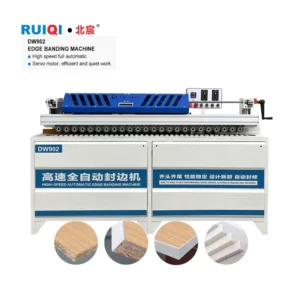
DW902 Automatic Edge Banding Machine, 4000W, 0.3–3mm Edge Thickness — compact entry-level configuration for MDF,...
View Details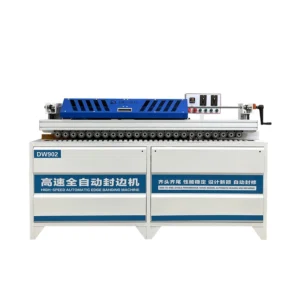
DW902 Automatic Edge Banding Machine, 220V/380V, 0.3-3mm Edge Thickness, 4000W — compact dual-purpose unit handling...
View Details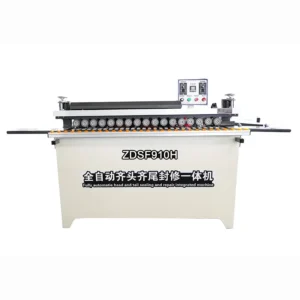
ZDSF910H Fully Automatic Edge Banding Machine, 220V, 4 kW, 10–50mm Panel Range — compact single-operator...
View Details